Available courses

COMMUNICATIVE ENGLISH (JMETO and RATING)

COMMUNICATIVE ENGLISH (JMETO and RATING)

Course modified date: 21 September 2026
Mathematics-I

Mathematics-I

Course modified date: 14 September 2026
Physics-I

Physics-I

Course modified date: 14 September 2026
Electrical & Electronics Engineering Sessional

Electrical & Electronics Engineering Sessional

Course modified date: 14 September 2026
Electrical & Electronics Engineering

Electrical & Electronics Engineering

Course modified date: 21 September 2026
Pump, Refrigeration & Air-Conditioning

Pump, Refrigeration & Air-Conditioning

Course modified date: 21 September 2026
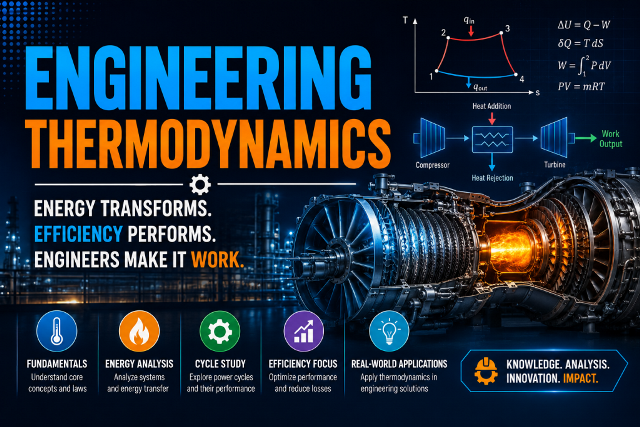
Engineering Thermodynamics

Engineering Thermodynamics

Course modified date: 14 September 2026
Applied Mechanics for Engineers

Applied Mechanics for Engineers

Course modified date: 21 September 2026
Marine Workshop Practices-I

Marine Workshop Practices-I

Course modified date: 14 September 2026
Maritime English & Communication Skill Sessional

Maritime English & Communication Skill Sessional

Course modified date: 14 September 2026
Material Strength & Workshop Process

Material Strength & Workshop Process

Course modified date: 14 September 2026
Machine Drawing-I

Machine Drawing-I

Course modified date: 14 September 2026
Basic Naval Architecture

Basic Naval Architecture

Course modified date: 14 September 2026
Mathematics-II

Mathematics-II

Course modified date: 14 September 2026
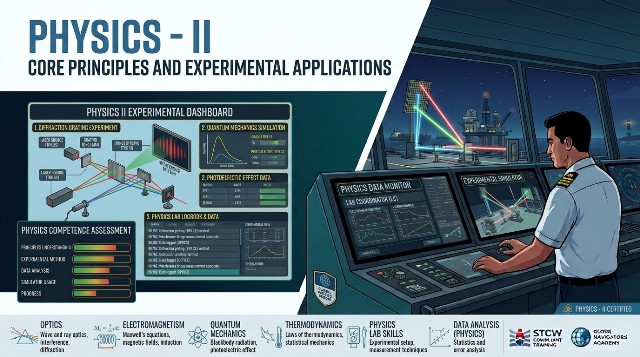
Physics-II

Physics-II

Course modified date: 14 September 2026
Marine Electrical Machineries

Marine Electrical Machineries

Course modified date: 14 September 2026
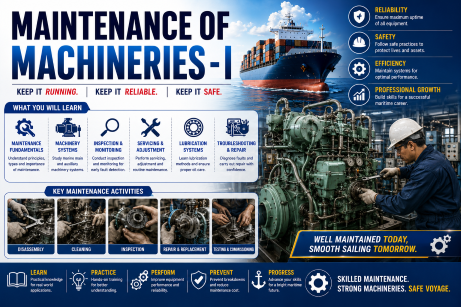
Maintenance of Machineries - I

Maintenance of Machineries - I

Course modified date: 14 September 2026
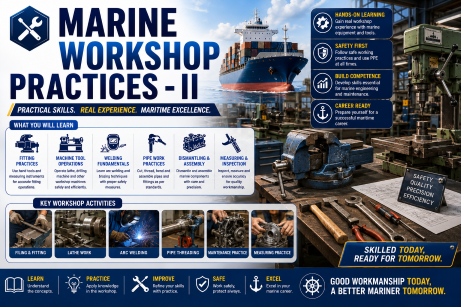
Marine Workshop Practices - II

Marine Workshop Practices - II

Course modified date: 14 September 2026
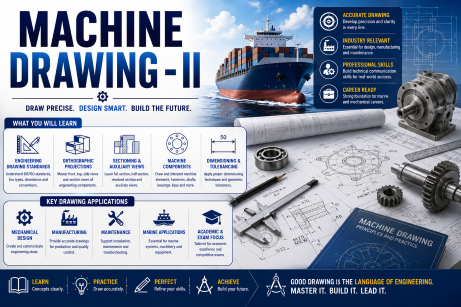
Machine Drawing - II

Machine Drawing - II

Course modified date: 14 September 2026
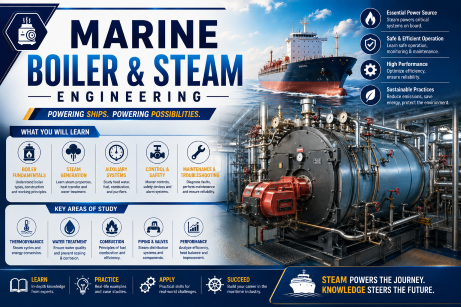
Marine Boiler & Steam Engineering

Marine Boiler & Steam Engineering

Course modified date: 14 September 2026
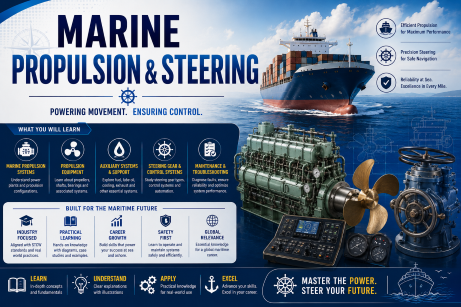
Marine Propulsion & Steering

Marine Propulsion & Steering

Course modified date: 14 September 2026
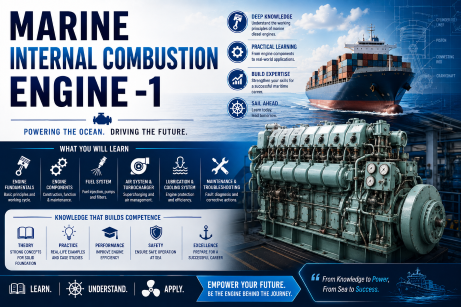
Marine Internal Combustion Engine -1

Marine Internal Combustion Engine -1

Course modified date: 21 September 2026
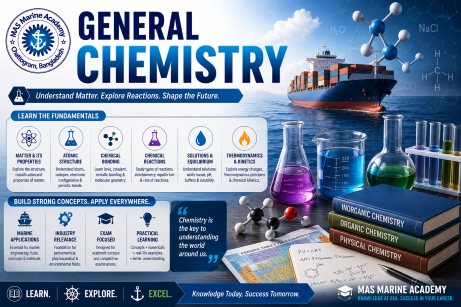
General Chemistry

General Chemistry

Course modified date: 14 September 2026
Maintenance of Machineries-II

Maintenance of Machineries-II

Course modified date: 14 September 2026
Marine Workshop Practices-III

Marine Workshop Practices-III

Course modified date: 14 September 2026
Fluid Mechanics & Hydraulics

Fluid Mechanics & Hydraulics

Course modified date: 14 September 2026
Turbocharger & Scavenging Technology

Turbocharger & Scavenging Technology

Course modified date: 21 September 2026
Marine Fuels & Lubricants

Marine Fuels & Lubricants

Course modified date: 14 September 2026
Machine Drawing-III

Machine Drawing-III

Course modified date: 14 September 2026
Marine Internal Combustion Engine-II

Marine Internal Combustion Engine-II

Course modified date: 21 September 2026
Applied Heat for Engineers

Applied Heat for Engineers

Course modified date: 21 September 2026

Applied heat for engineers
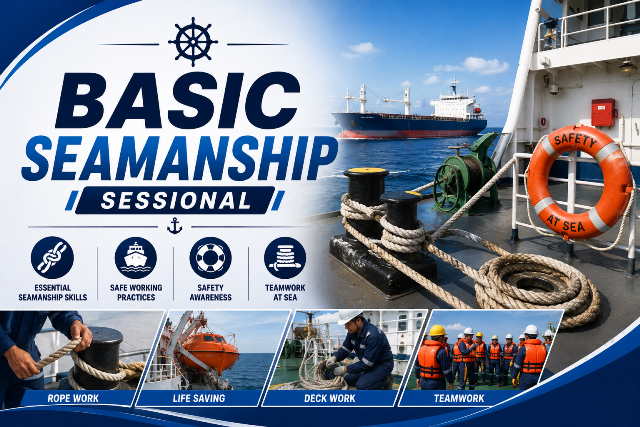
Basic Seamanship Sessional

Basic Seamanship Sessional

Course modified date: 14 September 2026
Coastal Navigation-I

Coastal Navigation-I

Course modified date: 14 September 2026
Ship Construction-I

Ship Construction-I

Course modified date: 21 September 2026
English Language and Communication Skills

English Language and Communication Skills

Course modified date: 14 September 2026
Computer Applications & Programming Sessional

Computer Applications & Programming Sessional

Course modified date: 14 September 2026
Ship's Stability-I

Ship's Stability-I

Course modified date: 21 September 2026
Applied Mathematics

Applied Mathematics

Course modified date: 21 September 2026
Applied Physics-I

Applied Physics-I

Course modified date: 21 September 2026
Principle of Navigation

Principle of Navigation

Course modified date: 14 September 2026
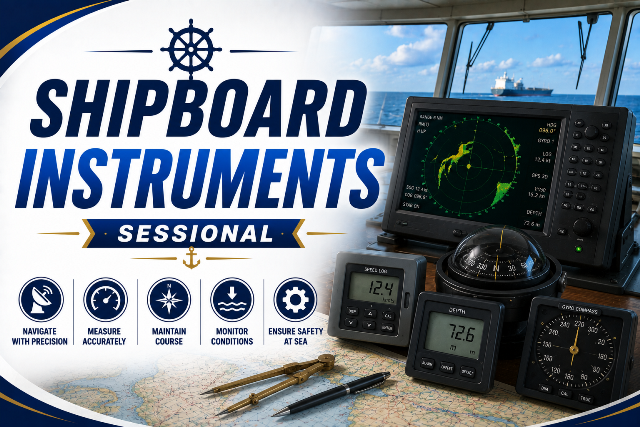
Shipboard Instruments Sessional

Shipboard Instruments Sessional

Course modified date: 14 September 2026
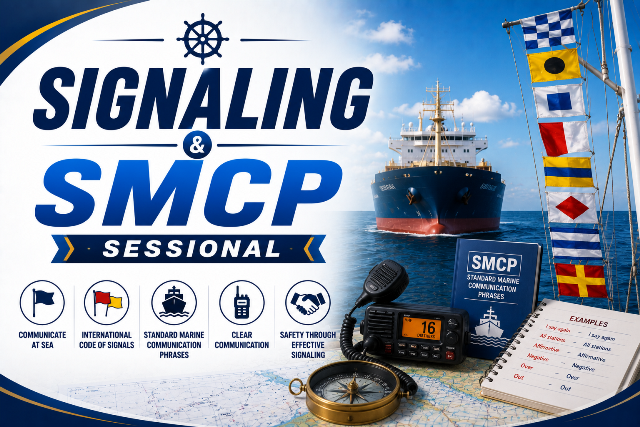
Signaling & SMCP Sessional

Signaling & SMCP Sessional

Course modified date: 14 September 2026
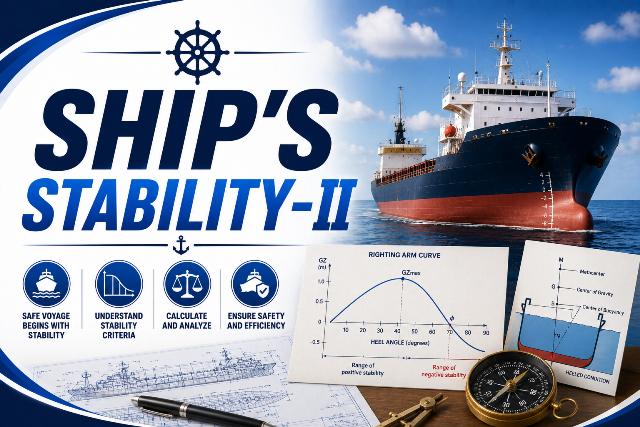
Ship's Stability-II

Ship's Stability-II

Course modified date: 21 September 2026
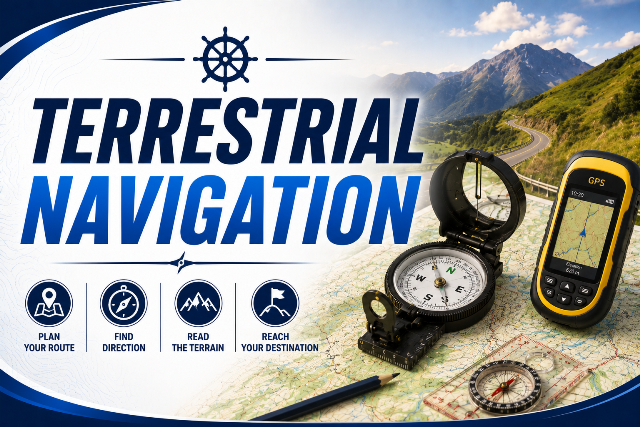
Terrestrial Navigation

Terrestrial Navigation

Course modified date: 14 September 2026
Leadership & Teamwork Skills

Leadership & Teamwork Skills

Course modified date: 14 September 2026
Ship Construction-II

Ship Construction-II

Course modified date: 14 September 2026
Advance English Language & Thesis Writing

Advance English Language & Thesis Writing

Course modified date: 14 September 2026
Mathematics for Navigators

Mathematics for Navigators

Course modified date: 14 September 2026
Applied Physics-II

Applied Physics-II

Course modified date: 14 September 2026
Maritime English and Communication Skills

Maritime English and Communication Skills

Course modified date: 14 September 2026
Advance Seamanship Sessional

Advance Seamanship Sessional

Course modified date: 14 September 2026
Collision Prevention Regulation–I

Collision Prevention Regulation–I

Course modified date: 14 September 2026
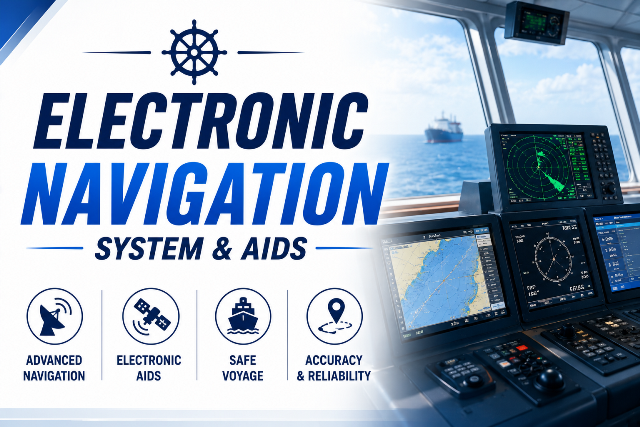
Electronic Navigation System & Aids

Electronic Navigation System & Aids

Course modified date: 14 September 2026
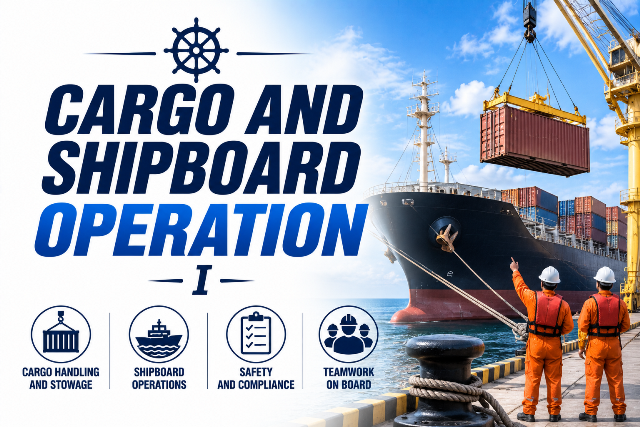
Cargo and Shipboard Operation–I

Cargo and Shipboard Operation–I

Course modified date: 14 September 2026
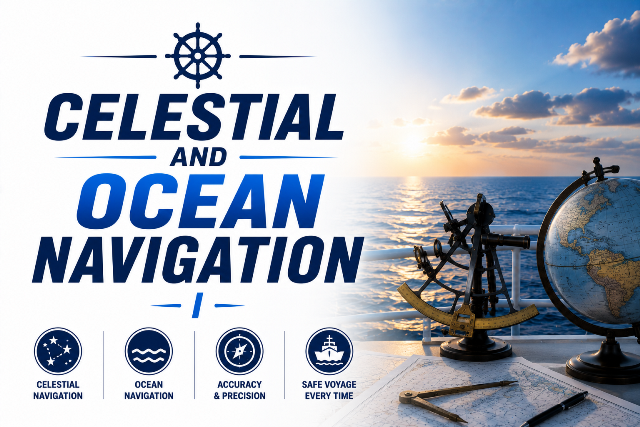
Celestial and Ocean Navigation–I

Celestial and Ocean Navigation–I

Course modified date: 14 September 2026
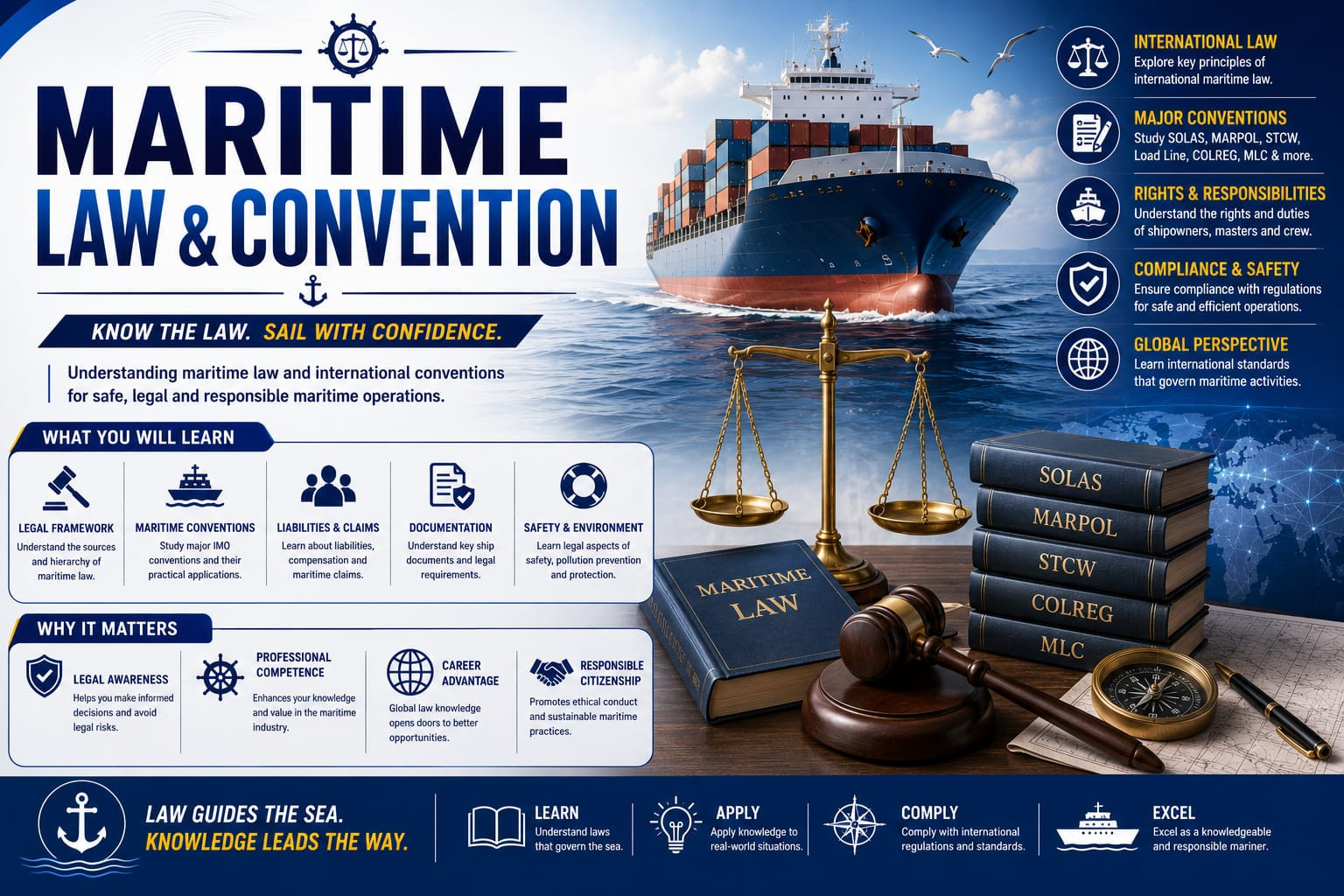
Maritime Law & Convention

Maritime Law & Convention

Course modified date: 14 September 2026
Meteorology and Ocean Science-I

Meteorology and Ocean Science-I

Course modified date: 14 September 2026
Chart Work-I

Chart Work-I

Course modified date: 14 September 2026

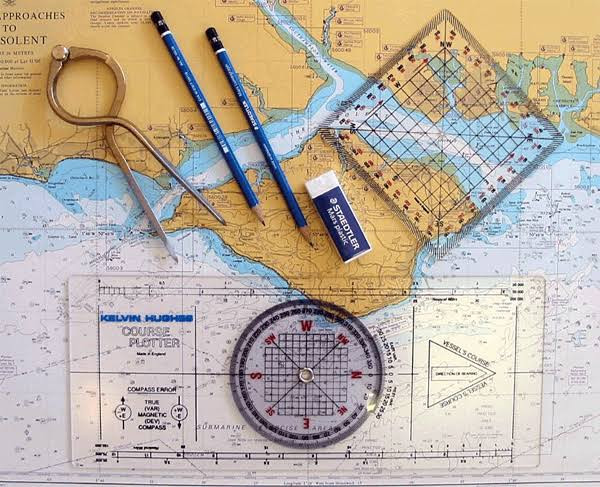
Learning Objectives: Students will enable to understand the tide effect during navigation also to find out the course and speed made good and to steer counteracting the wind and current.  Students will have knowledge and understanding in compliance with the IMO Model Course 7.03 (Section 1.1.2.8, 10, 11). 
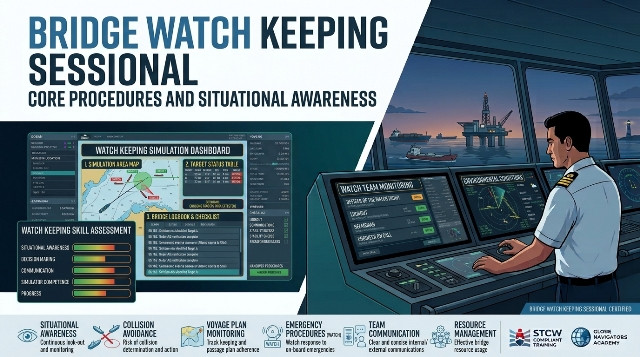
Bridge Watch Keeping Sessional

Bridge Watch Keeping Sessional

Course modified date: 21 September 2026
Shipboard Operation Sessional

Shipboard Operation Sessional

Course modified date: 14 September 2026
Collision Prevention Regulation-II

Collision Prevention Regulation-II

Course modified date: 14 September 2026
Chart Work–II

Chart Work–II

Course modified date: 14 September 2026
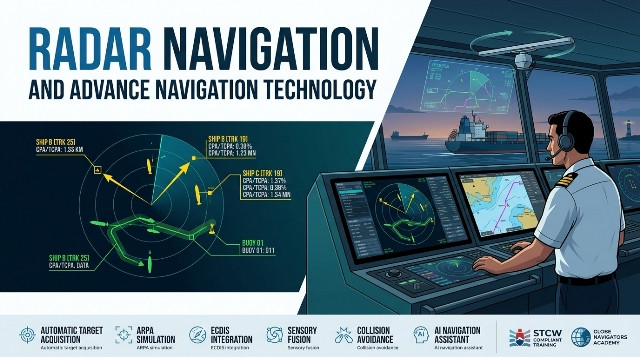
Radar Navigation and Advance Navigation Technology

Radar Navigation and Advance Navigation Technology

Course modified date: 14 September 2026
Cargo work and Shipboard Operation–II

Cargo work and Shipboard Operation–II

Course modified date: 14 September 2026
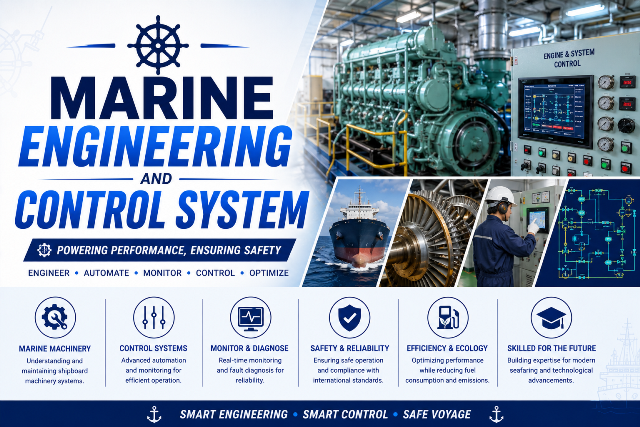
Marine Engineering and Control System

Marine Engineering and Control System

Course modified date: 21 September 2026
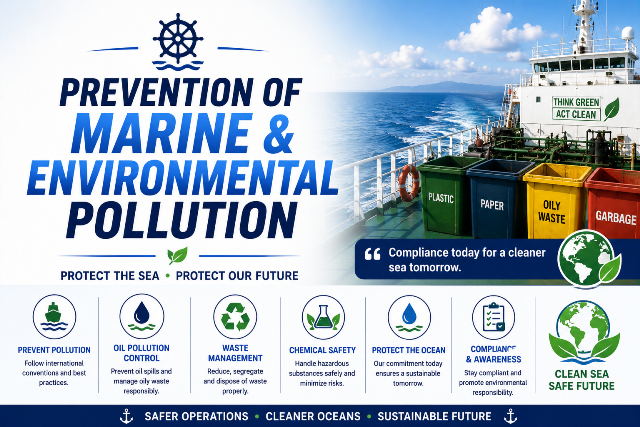
Prevention of Marine & Environmental Pollution

Prevention of Marine & Environmental Pollution

Course modified date: 14 September 2026
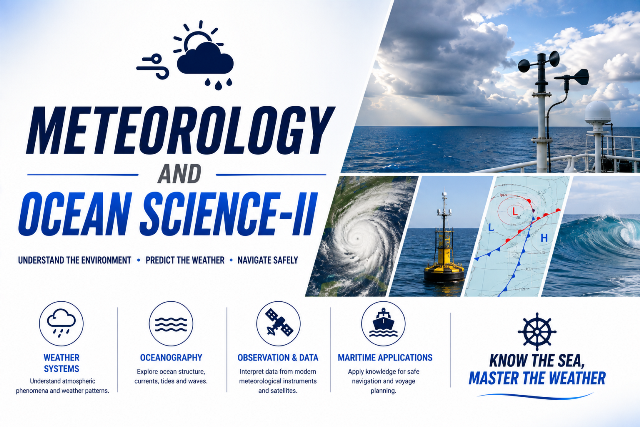
Meteorology and Ocean Science-II

Meteorology and Ocean Science-II

Course modified date: 14 September 2026
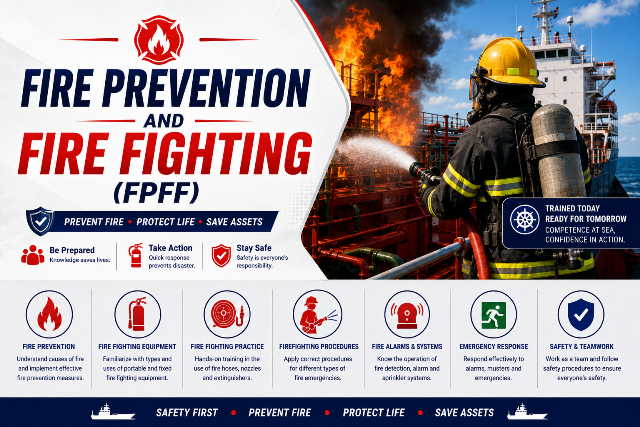
Fire Prevention and Fire Fighting

Fire Prevention and Fire Fighting

Course modified date: 21 September 2026
 Structured Programming

Structured Programming

Course modified date: 24 August 2026

📘 Course Description:

Structured Programming is one of the foundational courses in computer science that introduces learners to the essential concepts of problem-solving and program design. This course focuses on developing the ability to write efficient, readable, and maintainable code using a structured approach.

You will learn how to use variables, data types, operators, control structures (such as loops and conditionals), and functions to build modular programs. The course also emphasizes algorithmic thinking — how to analyze problems, break them into smaller parts, and translate them into logical program structures.

Through hands-on exercises and projects, you’ll gain experience with writing, debugging, and optimizing code. By the end of the course, you will be able to apply structured programming principles to real-world problems and lay a strong foundation for advanced programming paradigms such as object-oriented programming and data structures.

đŸŽ¯ Learning Outcomes:

By completing this course, you will be able to:

  • Understand the principles and importance of structured programming.

  • Develop algorithms using flowcharts and pseudocode.

  • Implement programs using control structures, loops, and functions.

  • Write clean, efficient, and reusable code.

  • Apply problem-solving techniques to real-life scenarios.

💡 Prerequisites:

Basic knowledge of computers and logical reasoning is recommended, but no prior programming experience is required.
  • Enrolled students: 3
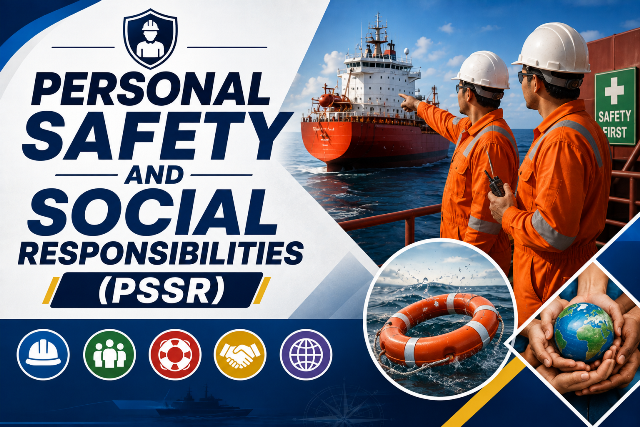
PERSONAL SAFETY AND SOCIAL RESPONSIBILITIES

PERSONAL SAFETY AND SOCIAL RESPONSIBILITIES

Course modified date: 14 September 2026
PERSONAL SAFETY AND SOCIAL RESPONSIBILITIES - Upgradation Course

PERSONAL SAFETY AND SOCIAL RESPONSIBILITIES - Upgradation Course

In May 2024, the IMO approved amendments to the Seafarers’ Training, Certification, and Watch keeping (STCW) Code aimed at combating and reducing violence and harassment within the maritime industry. These amendments, which will enter into force on 1 January 2026, are set out in Table A-VI/1-4, which specifies the minimum standards of competence in personal safety and social responsibilities.


The amendments introduce a new mandatory minimum requirement for seafarers’ training and instruction concerning the prevention of, and response to, sexual assault, sexual harassment, bullying, and other forms of harassment on board ships.


In particular, the IMO MSC.108, taking into consideration the recommendations of ILO/IMO Joint Tripartite Working Group (JTWG) on the issue, decided to amend STCW Table A-VI/1-4. Previously, this table included six items in the competence column (Column 1); the revised version introduces an additional item titled: “Contribute to the prevention of and response to violence and harassment, including sexual harassment, bullying, and sexual assault.”


2.         The latest developments regarding the International Maritime Organization's (IMO) Personal Safety and Social Responsibilities (PSSR) course involve recent amendments to the STCW Code (Standards of Training, Certification and Watchkeeping for Seafarers) specifically addressing violence and harassment, including sexual assault and sexual harassment (SASH). 

These updates address bullying and sexual harassment, aligning with IMO's recent work to enhance seafarer psychological safety and mental well-being. The course provides mandatory basic training for all seafarers, covering safety procedures, accident prevention, and shipboard life, including interpersonal dynamics and responsibilities. 
PERSONAL SURVIVAL TECHNIQUES

PERSONAL SURVIVAL TECHNIQUES

Course modified date: 21 September 2026

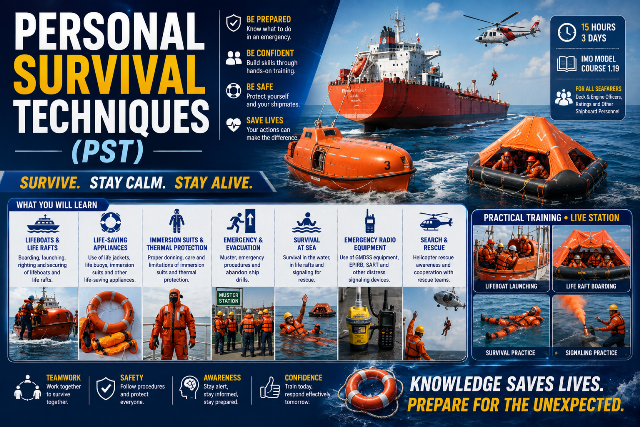
Personal Survival Techniques in accordance with STCW Code Table A-VI/1-1 and the applicable requirements of the IMO Model Course 1.19 is a basic STCW safety training course designed to equip seafarers with the knowledge and practical skills necessary to survive at sea in an emergency situation, particularly following abandonment of ship.

The course focuses on recognizing and responding to emergencies, understanding emergency procedures, and using life-saving appliances and survival equipment effectively. Trainees learn how to properly don and use lifejackets and immersion suits, launch and board survival craft, and take appropriate action when faced with situations such as ship abandonment, fire, collision, grounding, or sinking.

Key areas covered in the course include:

  • Emergency situations and survival principles at sea
  • Mustering procedures and emergency signals
  • Abandoning ship safely and orderly
  • Proper use of lifejackets and immersion suits
  • Survival craft and rescue boats
  • Personal survival equipment and pyrotechnics
  • Actions to be taken when in the water
  • Techniques for survival in cold water and prevention of hypothermia
  • Boarding and staying together in survival craft
  • Basic survival techniques while awaiting rescue
  • Use of rescue equipment and methods of attracting attention
  • Helicopter rescue procedures
  • Prevention of panic and maintaining discipline during emergencies
  • Basic principles of first aid and protection from environmental exposure

Upon successful completion of PST, trainees should be able to respond effectively during a maritime emergency, protect themselves and others, and maximize their chances of survival until rescue arrives. The course emphasizes both theoretical knowledge and practical hands-on training with life-saving appliances.
Risk Assessment and Management

Risk Assessment and Management

Course modified date: 21 September 2026
Marine Accident & Incident Investigation

Marine Accident & Incident Investigation

Course modified date: 21 September 2026
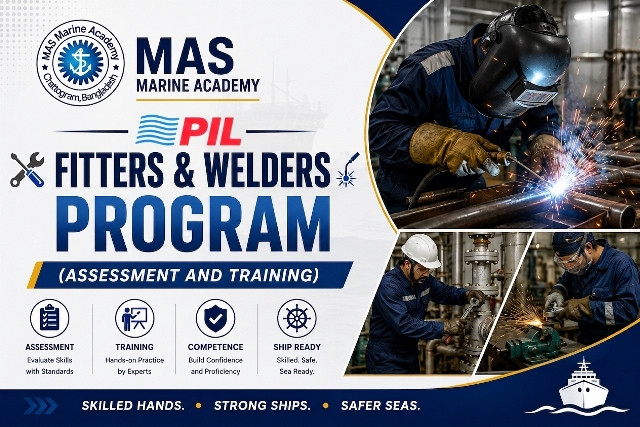
PIL: Fitters and Welders Program (Assessment and Training)

PIL: Fitters and Welders Program (Assessment and Training)

Course modified date: 21 September 2026
  • Teacher: Site Admin
  • Enrolled students: There are no students enrolled in this course.
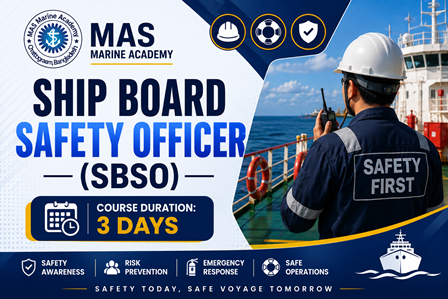
Ship Board Safety Officer

Ship Board Safety Officer

Course modified date: 21 September 2026
📚 MMA E-Library

📚 MMA E-Library

Course modified date: 21 September 2026